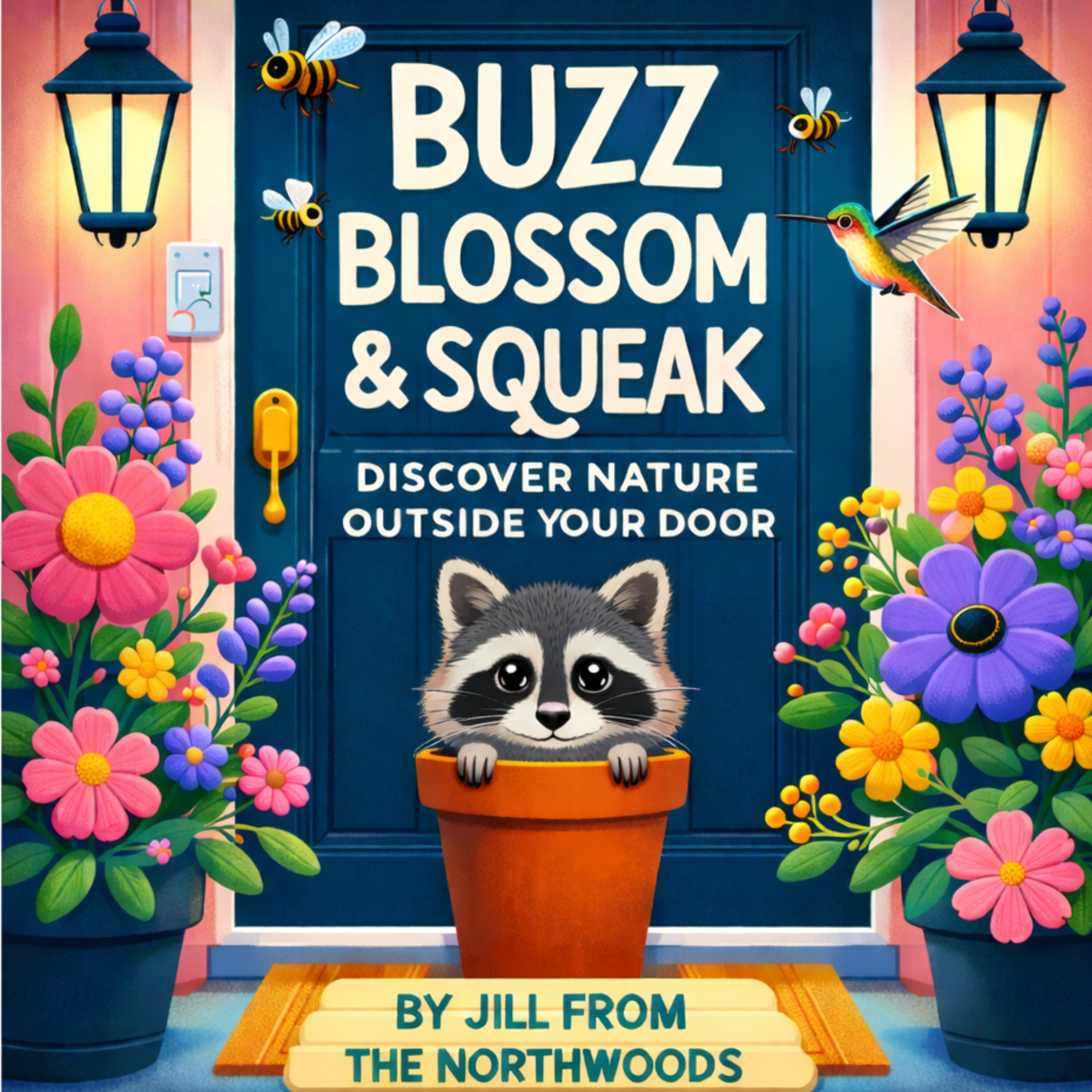
Episode 124
124 - The Birds We’ve Wrongly Decided Are Villains
A hawk at the feeder gets hate comments. A crow doing something clever gets called creepy. A circling vulture gets treated like an omen. In this episode, I make the case that none of these birds are villains — they’re doing jobs the ecosystem genuinely needs, and the “enemy bird” story we tell ourselves says a lot more about us than it does about them.
Cooper’s Hawks: Quality Control, Not Cruelty
Built for tight turns through backyard clutter, Cooper’s hawks aren’t wiping out songbird populations — they’re mostly catching the sick, slow, and distracted ones, which keeps the rest of the population sharper and healthier.
Owls and Their Undeserved Reputation
Centuries of folklore call owls omens of death, mostly because they’re silent and nocturnal. Meanwhile, a single barn owl family can work through an enormous number of rodents in a nesting season — which is exactly why farmers put up owl boxes instead of poison.
Turkey Vultures: Nature’s Cleanup Crew
Bald heads, corrosive stomach acid, a habit of circling — every visual cue reads as menace. But vultures neutralize pathogens like botulism, anthrax, and rabies before they can spread, and regions that lost their vulture populations saw real public health consequences.
Shrikes: The “Butcher Bird” Solving an Engineering Problem
Too small to have talons, shrikes impale prey on thorns to store it for later — dramatic to look at, but functionally no different than filling your chest freezer in the fall.
Crows and Ravens: Smart, Not Sinister
Facial recognition that lasts generations, tool use once thought exclusive to primates — the “creepy” reputation crows and ravens carry is really just discomfort with how intelligent they are.
Why Removing These Birds Would Collapse the Ecosystem
Pull every hawk, owl, shrike, and corvid out of the picture, and you don’t get a songbird paradise — you get unchecked rodent and insect populations and faster-spreading disease. These birds aren’t flaws in the system; they’re carrying a load the whole environment depends on.
The next time you see a “scary” bird on a list, remember: it’s doing exactly what it’s supposed to be doing, and the whole yard is healthier for it.
Find every show I do at jillfromthenorthwoods.com, and if you want to go deeper, Cornell’s All About Birds has an excellent page on every species mentioned here.
Jill’s Links
https://jillfromthenorthwoods.com/ - Find my podcasts, videos, downloads and ways to contact me
https://www.buymeacoffee.com/smallstepspod
Email the podcast at NorthwoodsJill@fastmail.com
YouTube @BuzzBlossomSqueak
By choosing to watch this video or listen to this podcast, you acknowledge that you are doing so of your own free will. The content shared here reflects personal experiences and opinions and is intended for informational and educational purposes only. I am not a licensed biologist, ecologist, or wildlife professional. Any nature observations, identifications, or suggestions offered should not be considered a substitute for professional scientific or environmental guidance. Always follow local regulations when observing or interacting with wildlife and natural spaces. You are solely responsible for any decisions or actions you take based on this content.